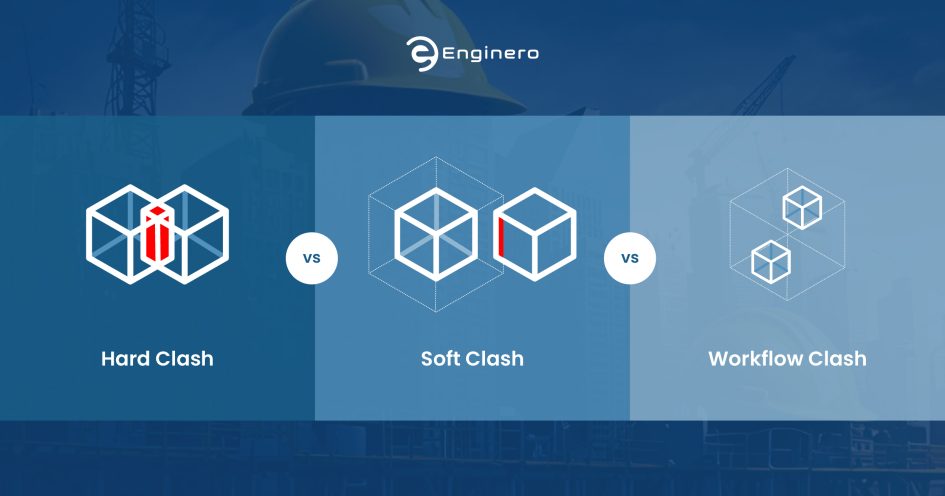
When it comes to modern-day construction projects, BIM clash detection is no longer a project advancement; it is a necessity, also it has become a vital part in construction project management. Clash detection is one of the major processes of BIM and acts as a backbone for coordination, by detecting issues on hand and saving a lot in construction design.
Clashes are crucial, but not all are the same. Behind every clash, there is a hidden issue that causes multiple consequences, which occur due to different causes.
Some clashes are visible to the human eye, like interference of an electrical component into a wall, and some affect the process workflow and integrity. However, when it comes to huge projects, it is difficult to identify hidden clashes when integrated with different teams.
Understanding these clashes and their differences helps project managers to deliver high-quality and error-free outcomes.
This blog is here to break down each type of clash in detail, looking at how they happen, why they are important, and what steps you can take to avoid them. By the end, you will have a solid strategy not just for spotting issues, but for preventing them altogether, which will help keep your models clean and your teams on the same page.
Clashes in a Construction Project
While combining different construction models, there is a huge possibility of intersecting the design elements with each other. These clashes would affect the actual building process at the construction site and cause delays & lead to financial losses. Having a keen understanding of different clash types, how they occur, and their effects helps BIM managers to get the desired project outcomes seamlessly.
Hard Clashes
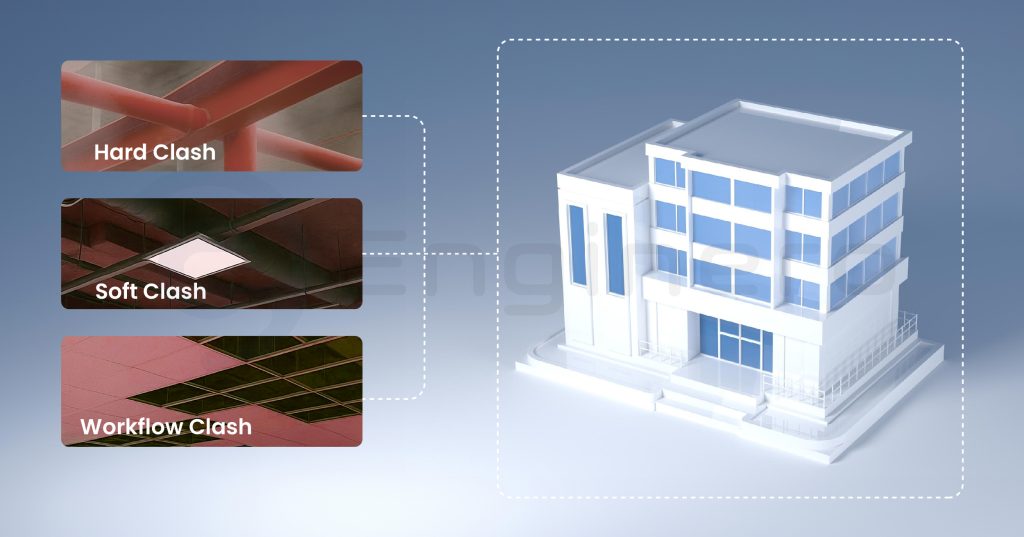
Hard clashes occur when two or more elements physically intersect with each other, causing an interruption in the workflow by disrupting the design objective. For instance, a hard clash is when a vertical column intersects with stairways.
Causes
- Improper coordination between different construction trades
- Irregular adherence to industry standards
- Coordination system misalignment
Effects
- Structural and safety risks in the project site
- Increased reworks due to inefficient drawings and budget overrun
- Damage to project credibility by delaying the work, ultimately leading to client dissatisfaction
Soft Clashes
Soft clashes occur when there is no or improper clearance for proper operations. In a BIM project, a soft clash could occur when a structural element obstructs the airway or ventilator outlet, or when a door swing obstructs a passageway. Violating clearance requirements and not adhering to maintenance/operational standards often leads to soft clashes.
Causes
- Ignoring tolerances or setting improper tolerance limits
- Incomplete design standards and a lack of coordination
- Improper sharing of updated information, updates, and regulations of different trades with the teams by project coordinators
Effects
- Difficulty in performing regular building operations
- Reduced system performance and obstructs maintenance
- Operational hazards
- Long-time accessibility issues
Workflow Clashes
Workflow clashes are not involved with the actual drawings and models, yet these are crucial for a BIM project. These clashes involve inconsistency in the BIM workflow, team allocations, workforce management, and much more. For instance, a model has been updated, but it has not been conveyed to other teams, which leads to disruption in the BIM flow and causes rework.
Causes
- Unclear communication channels and poor collaboration
- Inconsistent use of BIM
- Misalignment of workflows with every project team
Effects
- Redundant tasks and duplicated outcomes
- Version chaos in designs and documentation
- Delays in delivery and inconsistent project output
- Lack of confidence and rise in ambiguity among stakeholders
READ MORE: Common Challenges in Design and Construction Coordination
How to Handle Clashes?
Managing clashes effectively in BIM requires an initiative-taking approach that includes good coordination, clear processes, and ongoing communication. Whether you are facing hard, soft, or workflow clashes, having a structured method in place helps catch issues early and leads to smoother resolutions.
Run Regular Clash Tests
Use tools like Navisworks and Enginero for effective clash detection, as these tools help you detect hidden clashes in the federated model. Having a regular habit of detecting clashes will help you stay aligned with the plan and regulate the workflow.
Maintain a Clash Log
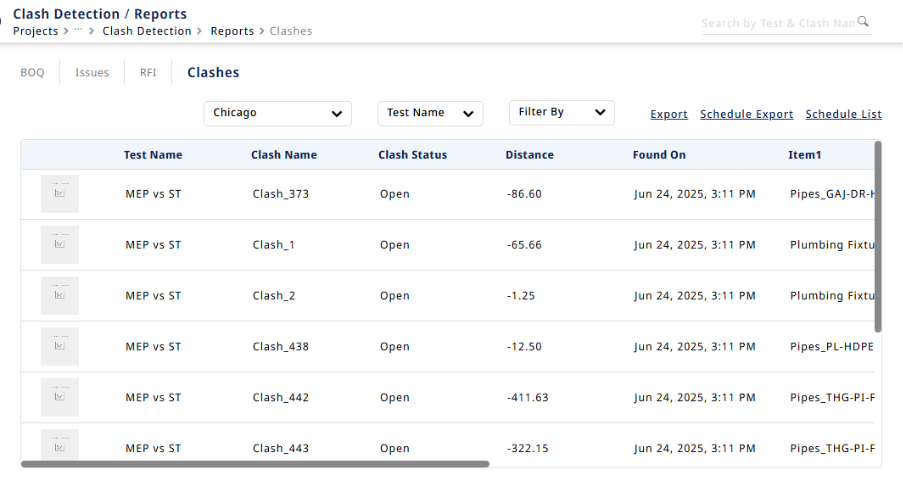
Along with clash detection, maintain a log that entails all the information related to clashes. This helps BIM managers track the areas of improvement and identify the places where teams lag. Also, it ensures accountability and traceability.
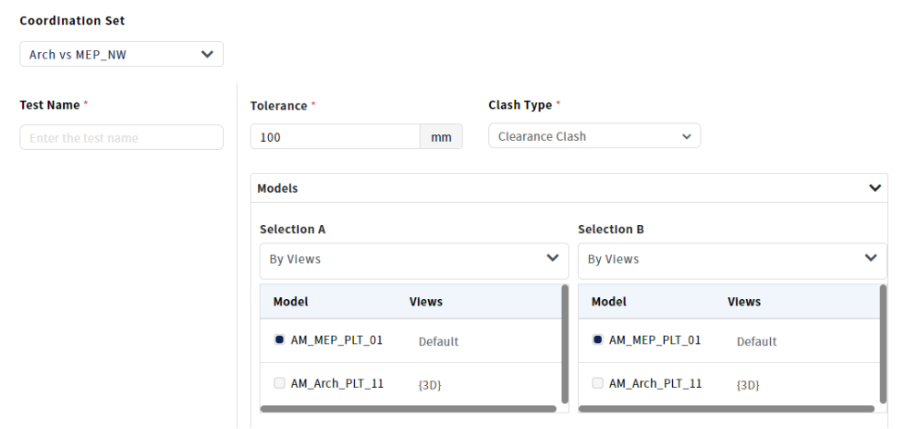
Define Tolerance
Establish clear tolerance values in order to avoid unnecessary clashes that hinder the process. Tolerances help you to find out the exact clash. For instance, in a building, windows and walls interfere with each other, but in actuality, it is not a clash. Setting a clear tolerance helps in solving this issue.
Frequent Coordination Meetings
Coordination meetings involve stakeholders from every trade and the respective project heads and contractors who work on the site, to discuss whether the project drawings coordinate well with the actual process. These meetings help discuss issues related to coordination in the BIM projects.
Standards and Naming Conventions
Maintain standards that are approved by the regulatory bodies of the state or country. Make sure every BIM process is documented. Standardize naming conventions by enforcing designers and engineers to use consistent names for designs, files, and versions, to avoid workflow clashes and regulatory complications.
Implement a Robust BEP
Clearly define protocols for collaboration, clash detection, coordination tool usage, and communication mode. A clear and concise BIM Execution Plan (BEP) will help create strategies to detect and resolve clashes as per priority, as a BEP includes defining LOD of every BIM process along with stages of clash detection and resolution, tools needed, frequency, and role allocation.
Conclusion
Clash detection has become a must-have in the world of BIM-driven construction projects. It is not just about spotting hard clashes that physically block structures; you also need to be aware of soft clashes that mess with clearance and operational standards, as well as workflow clashes that arise from miscommunication and lack of coordination. Grasping these different types of clashes is key to ensuring a project’s success.
Leave a Reply